

Energy-Saving Kitchen Appliances: Choosing and Using Them Wisely
2024-12-28
Small changes in the kitchen can have a big impact. Start today by evaluating your current appliances and adopting energy-saving habits.

TAG:
Related Blog
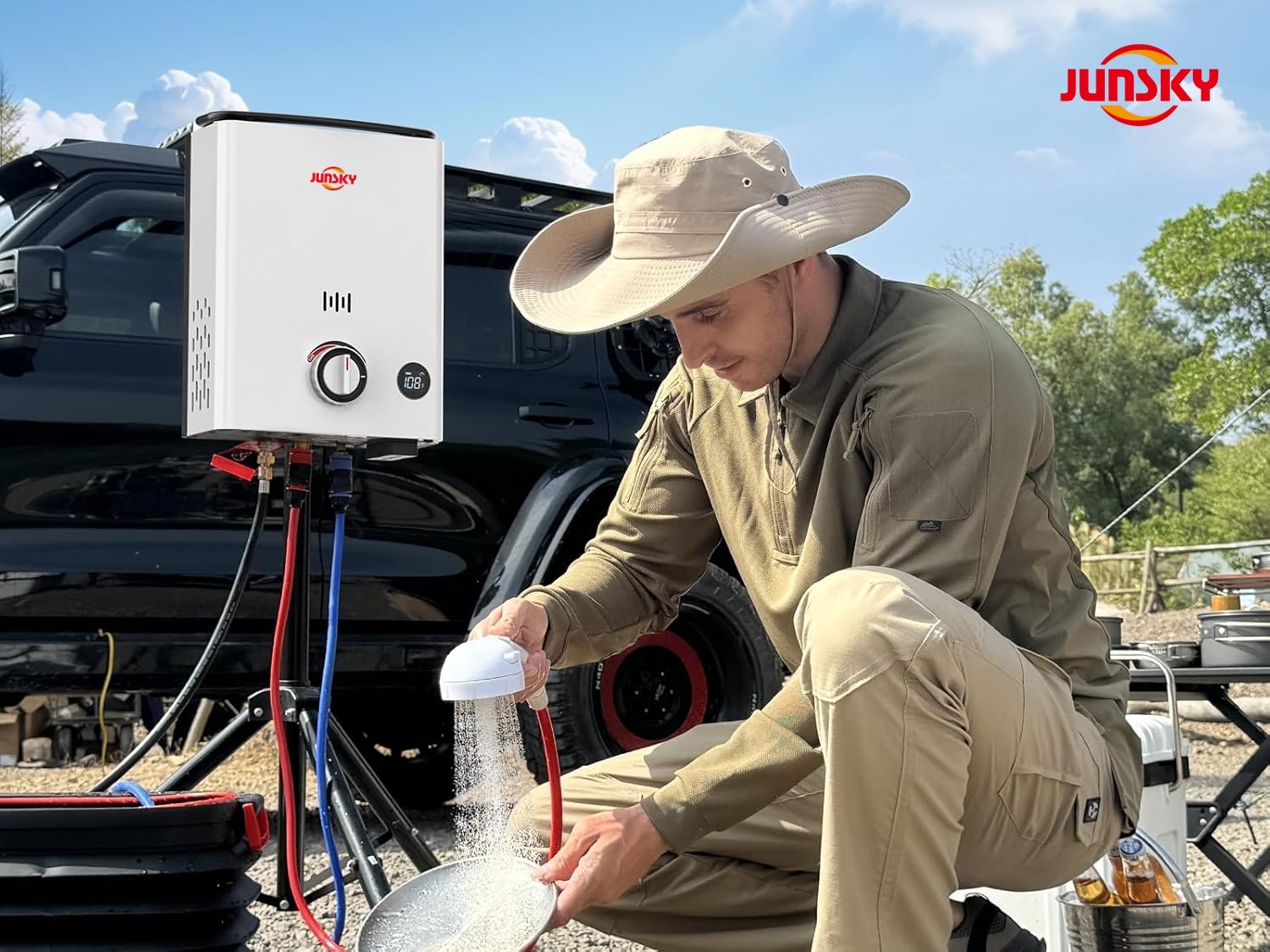
Camping Season Is Here: Don't Forget a Portable Outdoor Shower System
As camping season begins, a portable outdoor shower system makes every adventure cleaner, easier, and more comfortable. From warm showers and dishwashing to cleaning pets, gear, and sandy feet, portable hot water has countless outdoor uses. Tankless propane water heaters provide reliable hot water on demand, making them an ideal solution for camping, RV travel, beach trips, and overlanding. Easy to set up and highly versatile, an outdoor shower system enhances hygiene and convenience while reducing campsite mess. Whether planning a family vacation or weekend getaway, adding portable hot water to your camping gear significantly improves the overall outdoor experience.
2026-05-19

How to Choose, Install, and Use a Junsky Portable Water Heater for Outdoor Adventures
Junsky portable tankless water heaters provide safe, reliable hot water for outdoor adventures. This guide explains how to choose the right model, install it properly, and operate it efficiently for camping, RV life, and off-grid activities. Lightweight, compact, and propane-powered, Junsky heaters deliver continuous hot water for showers, cleaning, and cooking. With simple setup, flame control, and low-maintenance operation, they ensure convenience and comfort in remote locations. Designed for families, solo campers, and glampers, Junsky water heaters enhance hygiene, safety, and outdoor living, making every adventure more enjoyable, practical, and stress-free.
2026-04-24

Why Junsky Portable Water Heaters Are Essential for Your Outdoor Adventures
Junsky portable tankless water heaters provide campers, RV travelers, and off-grid enthusiasts with reliable hot water anywhere. Lightweight, compact, and fuel-efficient, they deliver instant warmth for showers, cleaning, and outdoor cooking without electricity. Equipped with safety features like flame control and propane valves, Junsky heaters are ideal for families and solo adventurers. Their versatility extends to pets, gear cleaning, and temporary sinks, making them perfect for diverse outdoor activities. By combining convenience, portability, and efficiency, Junsky heaters enhance comfort and hygiene, transforming camping, glamping, and remote adventures into enjoyable, safe, and stress-free experiences.
2026-04-13

This guide explains how to protect your propane tankless water heater from rain damage. Key strategies include installing a rain cap to shield the exhaust vent, using recessed boxes or shelters for an outdoor propane heater, and elevating a portable water heater while camping. Advanced tips like silicone sealing and drip loops further safeguard your propane on demand water heater, ensuring long-term reliability and efficiency for any outdoor setup.
2026-03-05
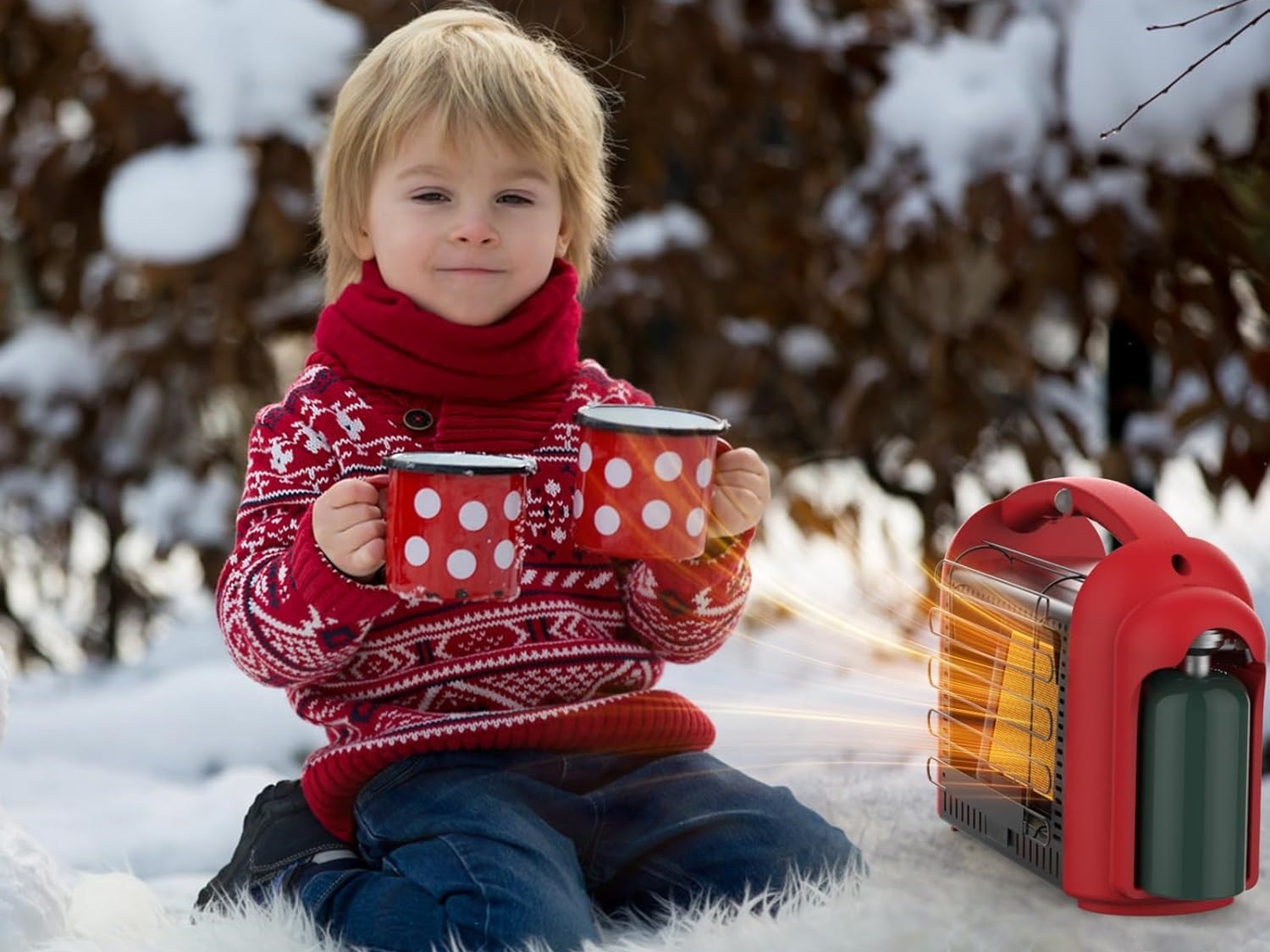

What Makes Junsky Propane Patio Heaters Different
Junsky propane patio heaters combine reliable radiant heat, advanced safety features, and durable, weather-resistant construction to elevate outdoor living. Designed for patios, decks, and commercial spaces, they offer fast warm-up, easy operation, and sleek, modern aesthetics. With tip-over protection, heat shields, and corrosion-resistant materials, Junsky heaters provide long-term performance and safety. Ideal for homeowners and businesses, they enhance comfort, extend outdoor usability year-round, and deliver both lifestyle and property value benefits.
2026-02-10

Contact Us
Tel:86-760-22550756
Fax:86-760-22550927
E-Mail:service@junsky.com
Address:Room 2601, No.1 Shengping East Road, Xiaolan Town, Zhongshan City, Guangdong Province, China