

Mastering the Art of Cooking: Essential Stove Tips
2025-01-21
Discover essential tips and precautions to enhance your cooking experience with a stove. Learn how to cook safely and effectively.
Mastering the Art of Cooking: Essential Stove Tips
Cooking is an art, and like any art form, it requires the right tools and techniques. At the heart of every kitchen lies the stove, a trusty companion that can transform simple ingredients into culinary masterpieces. But wait! Before you start whipping up that gourmet dish, let’s dive into some essential tips and precautions you should keep in mind.
Know Your Stove
First things first, familiarize yourself with your stove. Whether you’re using gas, electric, or induction, each type has its quirks. For instance, gas stoves heat up quickly and allow for instant temperature control. Electric stoves, on the other hand, offer consistent heating but can take longer to reach the desired temperature. And then there’s induction, which is super-efficient and safe but requires compatible cookware. So, take a moment to read the manual—trust me, it’s worth it!
Safety First!
Now, let’s talk safety! Cooking is fun and all, but it can be dangerous if you’re not careful. Always keep flammable items away from the stove. I mean, who wants a kitchen fire, right? Use pot holders when handling hot pots and pans, and never leave the stove unattended—especially with oil. One minute you’re sautéing onions, and the next, you’ve got a mini inferno on your hands!
The Right Tools for the Job
Using the right cookware is another crucial factor. Heavy-bottomed pots and pans distribute heat evenly, helping to prevent burning. And don’t forget about lids! They can help food cook faster and retain moisture. Also, invest in a good spatula to flip those pancakes and a whisk for your sauces. It’s amazing how the right tools can make cooking smoother and more enjoyable.
Keep It Clean
After the cooking frenzy, the last thing you want is a messy kitchen. Clean as you go! Wipe up spills and crumbs to avoid any slipping hazards. Plus, a clean stove not only looks better but also performs better. When grease builds up, it can affect the efficiency of your stove. And let’s be honest—nobody wants to deal with smoke alarms going off because of a neglected burner!
Experiment with Heat
Another tip? Experiment with heat levels. Many cooks stick to medium heat for everything, but that can be a mistake. For instance, searing meat requires high heat, while simmering sauces needs a low touch. Don’t be afraid to play around a bit. You might discover a new favorite technique!
Stay Organized
Being organized in the kitchen can save you loads of time and stress. Measure out ingredients before you start cooking, and keep your workspace tidy. This way, you can focus on the actual cooking instead of hunting for that elusive spice jar. Plus, it just makes the whole process smoother and more enjoyable.
Timing is Everything
Ah, timing! It’s the secret ingredient in every successful dish. Keep an eye on the clock and plan your cooking times carefully. If you’re making a multi-course meal, cook the dishes that take the longest first. Also, remember that some foods need to rest after cooking. Chicken, for instance, benefits from a little time off the heat to retain its juices. Who wants dry chicken, am I right?
Final Thoughts
In conclusion, mastering the stove isn’t just about knowing how to turn it on. It’s about understanding the ins and outs of cooking safety, using the right tools, and maintaining a clean workspace. So, roll up your sleeves, get comfortable in your kitchen, and don’t be afraid to get a little messy. Happy cooking!
TAG:
Related Blog
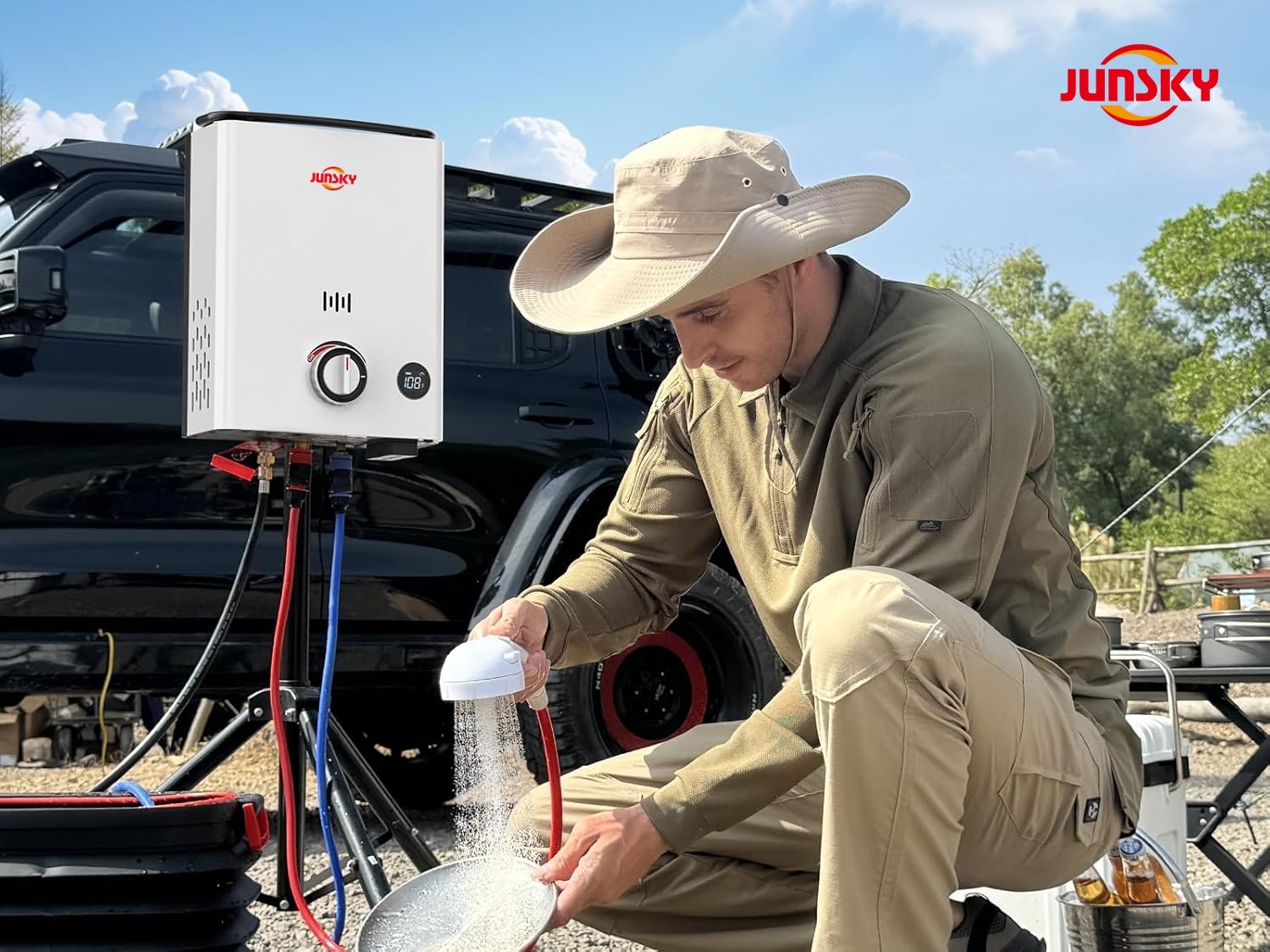
Camping Season Is Here: Don't Forget a Portable Outdoor Shower System
As camping season begins, a portable outdoor shower system makes every adventure cleaner, easier, and more comfortable. From warm showers and dishwashing to cleaning pets, gear, and sandy feet, portable hot water has countless outdoor uses. Tankless propane water heaters provide reliable hot water on demand, making them an ideal solution for camping, RV travel, beach trips, and overlanding. Easy to set up and highly versatile, an outdoor shower system enhances hygiene and convenience while reducing campsite mess. Whether planning a family vacation or weekend getaway, adding portable hot water to your camping gear significantly improves the overall outdoor experience.
2026-05-19

How to Choose, Install, and Use a Junsky Portable Water Heater for Outdoor Adventures
Junsky portable tankless water heaters provide safe, reliable hot water for outdoor adventures. This guide explains how to choose the right model, install it properly, and operate it efficiently for camping, RV life, and off-grid activities. Lightweight, compact, and propane-powered, Junsky heaters deliver continuous hot water for showers, cleaning, and cooking. With simple setup, flame control, and low-maintenance operation, they ensure convenience and comfort in remote locations. Designed for families, solo campers, and glampers, Junsky water heaters enhance hygiene, safety, and outdoor living, making every adventure more enjoyable, practical, and stress-free.
2026-04-24

Why Junsky Portable Water Heaters Are Essential for Your Outdoor Adventures
Junsky portable tankless water heaters provide campers, RV travelers, and off-grid enthusiasts with reliable hot water anywhere. Lightweight, compact, and fuel-efficient, they deliver instant warmth for showers, cleaning, and outdoor cooking without electricity. Equipped with safety features like flame control and propane valves, Junsky heaters are ideal for families and solo adventurers. Their versatility extends to pets, gear cleaning, and temporary sinks, making them perfect for diverse outdoor activities. By combining convenience, portability, and efficiency, Junsky heaters enhance comfort and hygiene, transforming camping, glamping, and remote adventures into enjoyable, safe, and stress-free experiences.
2026-04-13

This guide explains how to protect your propane tankless water heater from rain damage. Key strategies include installing a rain cap to shield the exhaust vent, using recessed boxes or shelters for an outdoor propane heater, and elevating a portable water heater while camping. Advanced tips like silicone sealing and drip loops further safeguard your propane on demand water heater, ensuring long-term reliability and efficiency for any outdoor setup.
2026-03-05
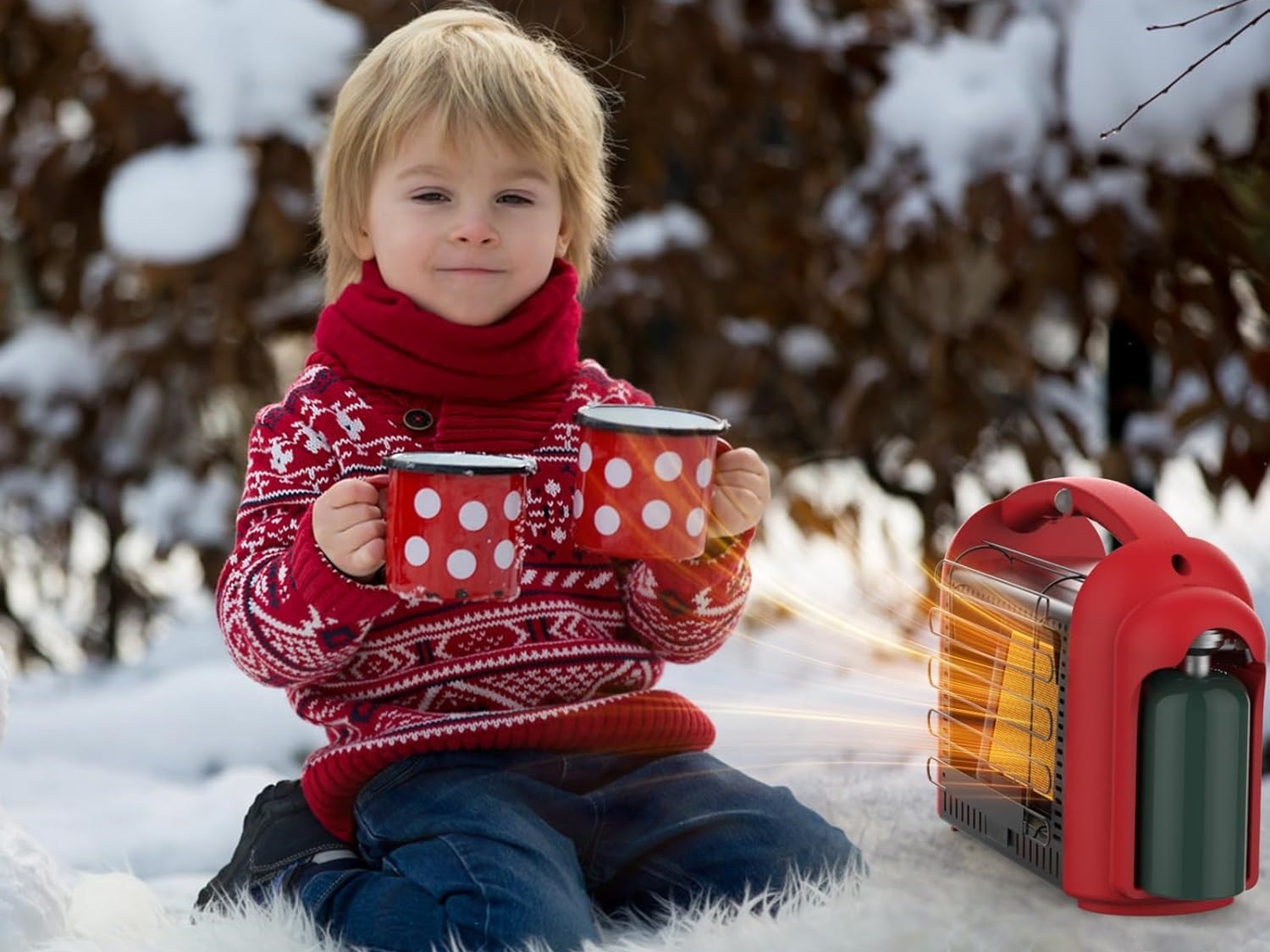

What Makes Junsky Propane Patio Heaters Different
Junsky propane patio heaters combine reliable radiant heat, advanced safety features, and durable, weather-resistant construction to elevate outdoor living. Designed for patios, decks, and commercial spaces, they offer fast warm-up, easy operation, and sleek, modern aesthetics. With tip-over protection, heat shields, and corrosion-resistant materials, Junsky heaters provide long-term performance and safety. Ideal for homeowners and businesses, they enhance comfort, extend outdoor usability year-round, and deliver both lifestyle and property value benefits.
2026-02-10

Contact Us
Tel:86-760-22550756
Fax:86-760-22550927
E-Mail:service@junsky.com
Address:Room 2601, No.1 Shengping East Road, Xiaolan Town, Zhongshan City, Guangdong Province, China